The Director-General of the Nigeria Centre for Disease Control and Prevention (NCDC), Dr Jide Idris, has clarified that the ₦10 billion emergency intervention fund approved by President Bola Tinubu was not exclusively meant to tackle Ebola Virus Disease but to strengthen Nigeria’s preparedness against multiple epidemic-prone diseases.
Idris said the funding was designed to improve disease prevention, preparedness, early detection and rapid response to public health threats, including Lassa fever, cholera, cerebrospinal meningitis, diphtheria, measles, mpox and antimicrobial resistance.
He explained that the ₦10 billion was released directly to the NCDC and not to the Presidential Task Force on Ebola, contrary to reports suggesting otherwise.
The clarification comes after Idris told journalists at a press conference on Sunday, October 25, 2026, that the fund had not yet been released to the agency. However, he did not disclose when the money was eventually disbursed.
The NCDC Director-General described the allocation as inadequate considering the country’s growing health security needs, noting that implementing the National Action Plan for Health Security, covering 2025 to 2029, would require approximately ₦522 billion over five years.
According to him, this amounts to an average annual requirement of ₦104.4 billion, meaning the ₦10 billion intervention represents only about two per cent of the estimated yearly funding needs.
Idris stressed that Nigeria, with a population of more than 240 million, requires sustained financial commitments from the Federal Government, state governments and development partners to adequately protect its population against epidemic threats.
Providing a breakdown of government funding for health security, he said the NCDC’s allocation rose from ₦4 billion in 2024 to ₦7 billion in 2025, alongside an additional ₦5 billion intervention fund that year. He added that the 2026 Appropriation provides ₦22 billion for the agency.
He further disclosed that President Tinubu approved the additional ₦10 billion emergency intervention fund in June 2026 following the Ebola outbreak in the Democratic Republic of the Congo, which heightened global health concerns.
Idris maintained that the funding request was never restricted to Ebola but was intended to support the country’s broader health security agenda.
He urged Nigerians to shift attention from the controversy surrounding the allocation to the need for sustained investment in disease prevention, warning that the economic and human cost of failing to prepare for epidemics could be significantly higher.
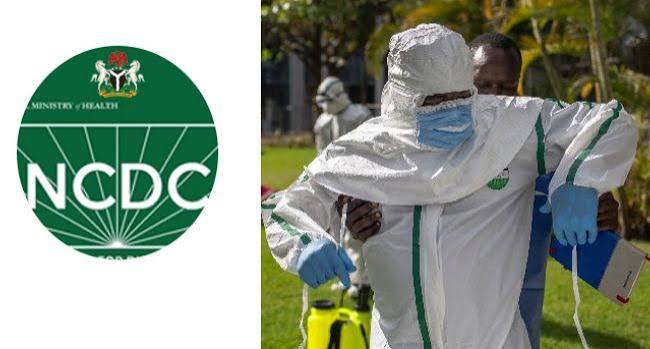
On the Ebola situation, the NCDC boss confirmed that Nigeria recorded its first imported case of Bundibugyo Ebola virus disease, with laboratory confirmation on October 20, 2026, within 24 hours of receiving the alert in Abuja.
He, however, assured Nigerians that there was no active case in the country as of the time of his statement, while identified contacts remained under daily surveillance.
According to him, monitoring would continue until the last identified contact completes the mandatory 21-day observation period without developing symptoms or any new case being detected.
Idris also dismissed calls for the postponement of elections, travel restrictions or a blanket ban on mass gatherings, saying the prevailing situation did not justify such measures.
He explained that the NCDC had developed technical guidelines for organisers of mass gatherings, adding that strict compliance with infection prevention and control measures would allow public events to hold safely.
The NCDC chief urged Nigerians to refrain from spreading unverified information, warning that misinformation and the politicisation of public health emergencies could undermine public confidence and weaken the country’s response to disease outbreaks.